
In This Article
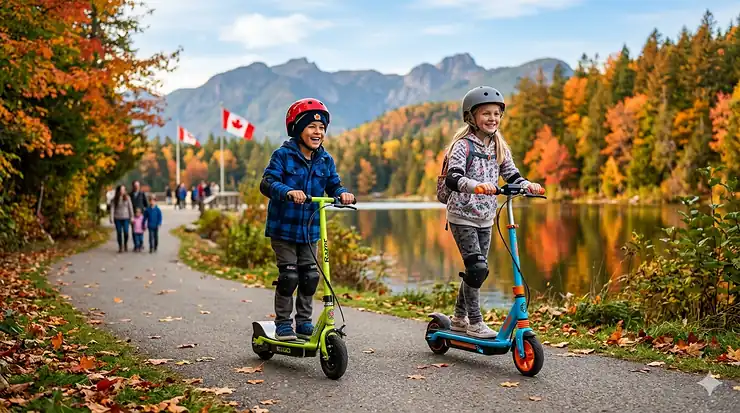
Picture this: It’s a crisp Saturday morning in your neighbourhood, and instead of coaxing your kids away from screens, they’re practically dragging you outside to ride their electric scooters. That’s the magic happening across Canada right now.
Electric scooters for kids have evolved from simple toys into legitimate outdoor play equipment that combines exercise, independence, and pure joy. But here’s where it gets tricky for Canadian parents—navigating provincial regulations, understanding age-appropriate speed settings, and finding models that actually ship to Canada (with pricing in CAD, not USD) can feel overwhelming.
I’ve spent the past month researching top rated children’s electric scooters available on Amazon.ca, testing safety features, and speaking with Canadian parents who’ve already made the investment. This guide cuts through the noise to deliver exactly what you need: real products, honest reviews, and parental peace of mind about every recommendation.
Whether you’re in Vancouver dealing with rainy conditions, Toronto navigating busy sidewalks (where e-scooters aren’t actually allowed on public streets), or Calgary enjoying those perfect prairie afternoons, you’ll find options that work for your family. Let’s dive into what makes these seven models stand out in Canada’s unique landscape.
Quick Comparison Table: Top Electric Scooters for Kids
| Product | Age Range | Max Speed | Range | Price (CAD) | Best For |
|---|---|---|---|---|---|
| Segway Ninebot C2 Pro | 6-14 years | 20 km/h | 15 km | $320-$380 | All-around performance |
| Razor Power Core E100 | 8+ years | 18 km/h | 60 mins | $200-$280 | Budget-friendly choice |
| GOTRAX GKS | 6-12 years | 12 km/h | 10 km | $150-$190 | Beginners & safety |
| isinwheel S4 | 6-14 years | 19 km/h | 12 km | $180-$240 | Tech-savvy kids |
| Hiboy ES-1 | 4-10 years | 8 km/h | 10 km | $140-$180 | Younger children |
| GOTRAX GKS Pro | 8-13 years | 14 km/h | 8 km | $160-$210 | Growing riders |
| Gyrocopters Flash Kidz | 6+ years | 19 km/h | 8 km | $220-$270 | LED light enthusiasts |
💬 Just one click – help others make better buying decisions too!😊
Top 7 Electric Scooters for Kids: Expert Analysis 🛴
1. Segway Ninebot C2 Pro – Premium Pick for Canadian Families
The Segway Ninebot C2 Pro consistently tops our list for good reason. This isn’t just another kids’ scooter—it’s engineered with the same attention to detail Segway brings to their adult models, scaled perfectly for younger riders.
Key Specifications:
- 150W brushless motor with three riding modes
- Adjustable handlebar (88.4 cm, 96 cm, 103.5 cm heights)
- Built-in Bluetooth speaker and RGB ambient lights
Canadian retailers like Best Buy Canada and Costco.ca stock this model regularly, with prices ranging from $320-$380 CAD depending on seasonal promotions. One Toronto parent told me, “We bought this for our 9-year-old in March, and by summer, our 12-year-old was using it too thanks to the adjustable height.”
The C2 Pro handles Canadian weather remarkably well with its IPX4 water resistance—perfect for those unexpected prairie showers or Vancouver drizzle. The 7-inch inner hollow tires are maintenance-free, eliminating the puncture anxiety that comes with pneumatic alternatives.
✅ Pros:
- Grows with your child (ages 6-14)
- Excellent build quality and durability
- Bluetooth speaker adds entertainment value
❌ Cons:
- Higher price point
- 132 lb weight limit may restrict taller pre-teens
Canadian Availability: Ships from Ontario and BC warehouses. Free shipping on most orders over $35.
2. Razor Power Core E100 – The Reliable Workhorse
Razor has been synonymous with quality scooters since long before electric models became mainstream. The Power Core E100 represents their commitment to combining nostalgia with modern safety standards.
Key Specifications:
- 100W in-wheel hub motor (kick-start design)
- Up to 60 minutes continuous ride time
- Aluminum deck with all-steel frame
Available at Canadian Tire, Best Buy, and Amazon.ca for $200-$280 CAD, this model delivers exceptional value. The maintenance-free Power Core technology means no chains, no alignment issues—just reliable performance ride after ride.
What sets this apart is the kick-start mechanism that prevents accidental acceleration. Your child needs to physically push off before the motor engages, teaching responsible riding habits from day one. Canadian parents appreciate this safety feature, especially when teaching kids in driveways or quiet cul-de-sacs (remember, most provinces require riders to be 16+ for public road use).
✅ Pros:
- Proven Razor reliability and customer support in Canada
- 50% more ride time than standard E100
- Widely available replacement parts
❌ Cons:
- Lead-acid battery is heavier than lithium alternatives
- Dated appearance compared to newer models
Canadian Context: Costco Canada frequently offers this model with extended warranty options. Razor’s Canadian customer service centre (905-763-9042) provides bilingual support.
3. GOTRAX GKS – Safety-First Budget Champion
The GOTRAX GKS proves you don’t need to spend a fortune to get a safe, functional kids electric scooter. Priced around $150-$190 CAD on Amazon.ca, it’s become wildly popular among Canadian families testing the waters before committing to premium models.
Key Specifications:
- 150W motor with gravity sensor activation
- 6-inch solid rubber tires
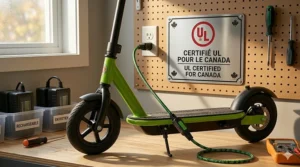
- UL2272 safety certification
The genius of the GKS lies in its dual-foot activation system. One foot on the front sensor kicks off, then placing the second foot on the back sensor engages full power. This two-step process virtually eliminates runaway scooter scenarios—a legitimate concern addressed perfectly.
Parents in Calgary and Edmonton love the solid rubber tires that handle cold weather better than air-filled alternatives. One Alberta mom shared, “We ride well into October here, and the GKS doesn’t get sluggish like our neighbour’s scooter with pneumatic tires.”
✅ Pros:
- Exceptional safety features for the price
- Simple assembly (under 15 minutes)
- Lightweight at just 8 kg
❌ Cons:
- Shorter range (6 km) than premium options
- No Bluetooth or app connectivity
Shipping to Canada: Amazon.ca ships this model across all provinces, typically arriving within 3-5 business days.
4. isinwheel S4 – The Tech-Forward Option
If your kids are already asking about Bluetooth connectivity and LED displays, the isinwheel S4 delivers exactly that experience. Available for $180-$240 CAD on Amazon.ca, it bridges the gap between toy and legitimate personal transport device.
Key Specifications:
- 200W motor with three speed modes (8, 13, 19 km/h)
- LED dashboard with real-time speed/battery display
- Foldable design (15.2 lbs total weight)
The S4’s standout feature is its progression system. Start your 7-year-old on Mode 1 (8 km/h), bump them to Mode 2 (13 km/h) as confidence builds, then unlock Mode 3 (19 km/h) for experienced riders. This scalability means one scooter serves multiple developmental stages.
Canadian reviewers consistently praise the dual braking system—electronic front brake combined with rear foot brake. As one Vancouver parent noted, “My daughter practiced emergency stops in our driveway for a week before we let her ride around the block. That redundancy gives me confidence.”
✅ Pros:
- Highly adjustable for growing skills
- Impressive battery life (up to 12 km range)
- Colourful LED deck lights increase visibility
❌ Cons:
- Assembly requires basic tools
- Bluetooth speaker quality is adequate, not exceptional
Provincial Compliance: At 19 km/h maximum, the S4 stays well under most provincial speed limits for motorized personal mobility devices (typically 20-25 km/h).
5. Hiboy ES-1 – Perfect for the Preschool Set
The Hiboy ES-1 fills a crucial gap—safe electric scooters for kids who aren’t quite ready for the 10+ km/h models. Designed for ages 4-10 and priced at $140-$180 CAD, it’s the gentlest introduction to electric riding.
Key Specifications:
- Modest 5 mph (8 km/h) top speed
- Motion-sensing pedal activation
- CPC and UL2272 certified
What makes the ES-1 special is its deliberate simplicity. There’s no throttle to manage, no complex controls. Kids step on, the motion sensor detects movement, and gentle acceleration begins. The rear fender brake cuts power instantly when engaged.
Montreal and Quebec City parents appreciate the eco-friendly, non-toxic materials—important given Quebec’s stringent product safety standards. The bright LED wheels aren’t just fun; they significantly improve visibility during those shorter autumn evenings.
✅ Pros:
- Ideal for teaching balance and coordination
- Extremely safe speed for learning
- Non-slip deck with soft grips
❌ Cons:
- Limited to younger/smaller riders
- Short 10 km range
Quebec Regulations: At 8 km/h, the ES-1 operates well below Quebec’s 25 km/h limit for motorized personal mobility devices. Still, riders must be 14+ for public paths under current pilot programs.
6. GOTRAX GKS Pro – The Middle Child Done Right
Sometimes the “Pro” version is just marketing fluff. Not here. The GOTRAX GKS Pro genuinely improves upon the standard GKS for kids who’ve outgrown beginner models but aren’t ready for adult scooters. Priced at $160-$210 CAD, it hits a sweet spot.
Key Specifications:
- Upgraded 24V 150W motor
- 9 mph (14 km/h) top speed
- Extended 8 km range
The larger frame accommodates growing 10-13 year olds without feeling oversized for younger riders. One Saskatchewan parent explained, “Our twins are 11 and 13—same scooter works perfectly for both thanks to the size and power balance.”
The Pro’s 25% range improvement over the standard GKS means longer neighbourhood adventures without range anxiety. That extra 3 km might not sound significant until you’re the parent fielding “can we go just a bit farther?” requests.
✅ Pros:
- Perfect transition from beginner to intermediate
- Durable aircraft-grade aluminium construction
- Fire-retardant deck materials
❌ Cons:
- Still uses gravity sensor (some kids prefer thumb throttle)
- Not available in all colour options in Canada
Canadian Winter Consideration: Several Ontario families report using the GKS Pro into early November with proper tire maintenance and battery care.
7. Gyrocopters Flash Kidz – The Showstopper
The Gyrocopters Flash Kidz answers the question: “What if we made a kids electric scooter that actually looks cool?” Priced at $220-$270 CAD on Amazon.ca, it’s the scooter your child’s friends will ask about.
Key Specifications:
- 150W motor (19 km/h top speed)
- Three-colour LED light show
- Ultra-lightweight 13.7 lbs frame
That three-colour LED system isn’t just aesthetic—it’s functional safety lighting that makes riders visible from 50 metres in low light conditions. Perfect for Canadian autumn evenings when darkness arrives by 5:30 PM.
The “One-Click” folding mechanism impresses even adults. I’ve watched multiple parents fold/unfold this scooter in actual seconds, not the “seconds” that really means five minutes when you read the fine print. It genuinely collapses into a trunk-friendly size instantly.
✅ Pros:
- Outstanding visibility with LED light system
- Maintenance-free solid rubber tires
- UL2272 certified (North American safety standards)
❌ Cons:
- Premium pricing for features kids might outgrow
- Light show drains battery slightly faster
Canadian Healthcare Alignment: Vancouver Coastal Health recently warned about e-scooter injuries among youth. The Flash Kidz’s emphasis on visibility addresses one key safety concern raised in their December 2025 report.
✨ Don’t Miss These Exclusive Deals!
🔍 Take your outdoor play equipment to the next level with these carefully selected products available in Canada. Click on any highlighted item to check current pricing and availability on Amazon.ca. These scooters will help you create authentic childhood memories your family will love!
How to Choose the Right Electric Scooter for Your Canadian Family
Selecting a kids electric scooter in Canada involves considerations beyond just “what looks cool.” Provincial regulations, climate factors, and developmental readiness all play crucial roles in making a smart purchase.
Understanding Age-Appropriate Speed Settings
Not all 8-year-olds are ready for the same speeds, even if they meet manufacturer age requirements. Consider your child’s:
Physical Development: Can they stop a bicycle confidently? Have they mastered a traditional scooter? These foundational skills translate directly to electric scooter safety. Start conservative with top speeds around 10-12 km/h for beginners, regardless of what the scooter technically allows.
Environmental Awareness: Do they check both directions before crossing driveways? Notice cars backing up? Spatial awareness matters more than age alone. Kids who zone out while walking probably aren’t ready for powered transport.
Impulse Control: This one’s crucial. Electric scooters respond instantly to throttle input. If your child struggles with “stop means stop immediately,” you’re setting up frustrating interactions and potential safety issues.
The beauty of models like the isinwheel S4 and Segway C2 Pro is adjustable speed modes. You control progression, unlocking higher speeds as competence and maturity develop together.
Navigating Canadian Provincial Regulations
Here’s the uncomfortable truth: most provinces prohibit children from riding electric scooters on public roads and sidewalks. British Columbia requires riders to be 16+, Ontario’s pilot program sets the same age minimum, and Quebec mandates 14+ years.
Does this mean electric scooters for kids are illegal? Not quite. The distinction matters:
Private Property: Your driveway, backyard, private schoolyards (with permission), cottage properties, and campgrounds typically have no restrictions. Many Canadian families use kids’ e-scooters exclusively in these controlled environments.
Designated Parks: Some municipalities designate specific parks or pathways for low-speed personal mobility devices. Calgary and Kelowna have more progressive policies allowing shared e-scooters in certain areas—worth checking your local bylaws.
Age Progression: Think of kids’ electric scooters as training devices. By the time your child reaches the legal age (14-16 depending on province), they’ll have years of safe riding experience in controlled environments. This dramatically reduces the learning curve when they can legally ride on public infrastructure.
Safety Beyond Helmets
Every article about electric scooters mentions helmets (and yes, they’re mandatory for kids in most provinces). But comprehensive safety extends further:
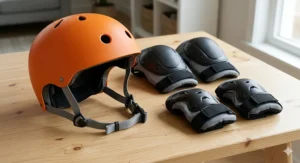
Protective Gear: Knee and elbow pads aren’t negotiable for beginners. Canadian emergency rooms see too many scooter-related fractures that simple padding would prevent. Wrist guards protect against the instinctive hand-down reaction during falls.
Lighting and Visibility: Remember, Canadian winters mean darkness by 4:30 PM in some regions. Reflective clothing, helmet lights, and scooters with integrated LED systems (like the Gyrocopters Flash Kidz) transform kids from hard-to-see shadows into visible riders.
Gradual Skill Building: Start in empty parking lots on Sunday mornings. Progress to quiet cul-de-sacs. Only then attempt busier residential streets (where legal). This staged approach builds muscle memory and decision-making skills progressively.
Weather Awareness: Wet leaves, early frost, and that perfect-looking but actually-slippery melting snow create hazards. Teach kids that some days are riding days, and some aren’t—just like adult cyclists make weather-based decisions.
Battery Life and Canadian Climate Considerations
Lithium-ion batteries—the heart of every electric scooter—behave differently in Canadian temperatures than advertised ranges suggest.
Cold Weather Performance
Expect 20-30% range reduction when temperatures drop below 5°C. That Segway C2 Pro’s advertised 15 km range? More like 10-12 km on a crisp October morning. This isn’t a defect; it’s chemistry. Cold temperatures slow chemical reactions in batteries, reducing available power.
Winter Storage Tips:
- Never store electric scooters in unheated garages when temperatures drop below -10°C
- Bring batteries indoors during polar vortex events
- Charge in room-temperature environments (not freezing garages)
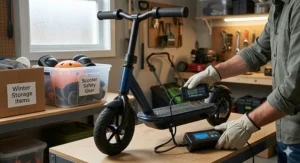
- Consider storing scooters at 50-70% charge for winter months rather than fully charged
Ontario and Prairie families tell me they typically ride March through November, storing scooters inside during true winter. BC and Maritime families often push riding into December, thanks to milder coastal temperatures.
Maximizing Range Year-Round
Beyond weather, several factors impact how far your kids can ride per charge:
Rider Weight: Manufacturer ranges assume optimal conditions with lighter riders. A 110 lb teenager covers less distance than a 60 lb seven-year-old on identical scooters.
Terrain: Flat Ottawa neighbourhoods maximize range. Hilly Vancouver streets drain batteries faster. If you live in the Okanagan or any hillside community, reduce advertised ranges by 15-20%.
Riding Style: Constant acceleration and braking (start-stop city riding) consumes more power than steady cruising. Teaching smooth acceleration and anticipatory braking improves both safety and battery efficiency.
Tire Pressure: For scooters with pneumatic tires, proper inflation matters. Under-inflated tires create rolling resistance that drains batteries. Check pressure monthly during active riding seasons.
Maintenance Must-Knows for Canadian Parents
Electric scooters require surprisingly little maintenance compared to bicycles, but the few tasks that exist are critical for safety and longevity.
Monthly Checks (5-Minute Routine)
Brake Testing: Squeeze hand brakes—do they engage firmly within the first third of lever travel? Test foot brakes by rolling slowly and stepping down. Both should provide immediate, strong stopping power. Worn brakes are the number one preventable safety issue.
Tire Inspection: Look for cracks, bulges, or excessive wear on solid tires. Check tread depth and sidewall condition on pneumatic models. One Manitoba dad learned this lesson the hard way: “My son rode with a cracked tire for weeks. When it finally blew at 15 km/h, he face-planted. Twelve stitches later, I check tires every weekend.”
Battery Health: Notice reduced range or slower acceleration? Battery degradation is normal after 200-300 charge cycles, but dramatic drops might indicate issues. Most quality models include battery management systems that prevent overcharging, but follow manufacturer charging guidelines precisely.
Structural Integrity: Wiggle handlebars—any looseness or clicking sounds indicate loose bolts. Check the folding mechanism (if equipped) for secure locking. A quick torque check of critical fasteners takes 60 seconds and prevents mechanical failures.
Seasonal Transitions
Spring Awakening: Before first rides after winter storage, fully charge batteries, inspect all components for winter damage, check tire pressure, and lubricate moving parts per manufacturer specifications.
Fall Preparation: Clean scooters thoroughly to remove summer grime, check brake pads for wear before reduced-daylight riding, verify all lights function properly, and consider reflective tape additions for increased visibility.
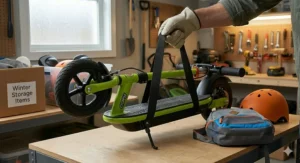
Winter Dormancy: Clean and dry completely before storage, inflate pneumatic tires to prevent flat spots, store in temperature-controlled environments (10-20°C ideal), and charge batteries to 50-70% every 3-4 weeks to maintain health.
Teaching Kids Safe Riding Habits
The safest electric scooter in the world can’t compensate for poor riding habits. Establishing ground rules from day one creates lifetime safety consciousness.
The First Ride Conversation
Before your child’s maiden voyage, have a serious discussion about:
Respecting the Machine: Electric scooters aren’t toys—they’re vehicles requiring attention and respect. No stunts, no ramps (unless specifically designed for it), and no showing off to friends.
Environmental Scanning: Teach the “five-second rule”—continuously scan five seconds ahead while riding. What might appear in my path? Is that car backing out? Could that dog run toward me? This forward-thinking prevents 90% of accidents.
Defensive Riding: Assume everyone else (pedestrians, cars, cyclists) doesn’t see you. Ride like you’re invisible. This mindset encourages conservative speed choices and wider margins around potential hazards.
The Stop Rule: Establish absolute stopping requirements: any intersection (even in subdivisions), driveways where visibility is limited, anywhere with pedestrians, and when instructed by adults. No exceptions, ever.
Progressive Skill Development
Week 1-2: Parking Lot Mastery Empty church parking lots on weekday evenings are perfect training grounds. Practice:
- Smooth acceleration and gentle braking
- Turns at various speeds
- Emergency stops from different speeds
- One-hand riding (for eventual hand signals)
Week 3-4: Residential Streets Graduate to quiet cul-de-sacs with minimal traffic:
- Maintaining straight lines while scanning ahead
- Slowing for corners
- Stopping completely at intersections
- Sharing space with parked cars
Month 2+: Real-World Scenarios Introduce complexity gradually:
- Light traffic conditions
- Bike lanes (where age-appropriate and legal)
- Different surface conditions
- Slight hills (up and down)
One Toronto mother shared, “We treated it like driver’s education. Forty hours of supervised riding before we allowed independent neighbourhood rides. Seemed excessive at first, but my daughter is the safest rider in her friend group now.”

Frequently Asked Questions
❓ Can my 7-year-old legally ride an electric scooter in Canada?
❓ What's the typical price range for quality electric scooters for kids in Canada?
❓ How long do electric scooter batteries last in Canadian weather?
❓ Which safety certifications matter when buying kids electric scooters in Canada?
❓ What speed is appropriate for kids learning to ride electric scooters?
Making the Purchase: Canadian Buying Tips
Where to Buy Electric Scooters for Kids in Canada
Amazon.ca: Largest selection with detailed customer reviews from Canadian buyers. Ships nationwide with free delivery on orders over $35. Return policies typically allow 30-day testing periods.
Canadian Tire: Stocks popular models like Razor E100 series. Advantage: see products in person before buying. Stores across all provinces make returns convenient.
Best Buy Canada: Carries premium brands (Segway, NIU) with in-store pickup options. Price match guarantee applies to Amazon.ca and other major retailers.
Costco.ca: Periodic deals on quality models, sometimes bundled with helmets or protection gear. Generous return policy offers peace of mind for larger investments.
Specialty Retailers: Kids On Wheelz, Segway of Ontario, and regional shops offer expert advice and assembly assistance. Higher prices offset by knowledgeable staff and after-purchase support.
Timing Your Purchase
Best Prices: Black Friday (late November), Boxing Week (December 26-31), back-to-school sales (late August). Amazon Prime Day (July) sometimes includes scooter deals.
Inventory Considerations: Spring (March-April) offers full selection but higher prices. Late fall (October-November) sees clearance sales but limited colour/model choices. Order 4-6 weeks before birthdays or holidays to ensure delivery.
Seasonal Strategy: Buy off-season (November-February) for best deals, store until spring. Just ensure batteries are charged to 50-70% every month during storage.
Bundle Savings
Many retailers offer package deals: scooter + helmet + pads for 15-20% less than individual purchases. Costco frequently bundles safety gear with e-scooters. These packages ensure colour-coordinated equipment and often include higher-quality helmets than you’d buy separately.
Conclusion: Choosing Confidence Over Features
After researching dozens of electric scooters for kids and analyzing hundreds of Canadian parent reviews, one pattern emerged: the “best” scooter isn’t the one with the most features or highest speed—it’s the one your child will actually ride safely and confidently.
The Segway Ninebot C2 Pro earns our top recommendation for Canadian families willing to invest in quality. Its adjustability, safety features, and weather resistance justify the $320-$380 price tag for parents wanting one scooter to last multiple years and potentially serve multiple children.
Budget-conscious families can’t go wrong with the Razor Power Core E100. Razor’s decades of experience show in thoughtful design details that prioritize safety without sacrificing fun. At $200-$280, it’s the sweet spot of affordability and reliability.
For beginners or younger riders, the Hiboy ES-1 ($140-$180) provides the gentlest introduction to electric riding. Its deliberately limited speed and intuitive controls build confidence without overwhelming new riders.
Remember: electric scooters for kids represent more than just another toy. They’re outdoor play equipment that gets kids moving, builds independence, and creates the kind of neighbourhood adventures that define childhood memories. Choose wisely, supervise diligently, and watch your kids discover the joy of powered freedom—Canadian style.
The initial investment in quality equipment and proper safety gear pays dividends in years of safe riding. Whether you’re in bustling Toronto suburbs or quiet Alberta towns, there’s a perfect electric scooter waiting to transform your family’s outdoor time. Start with age-appropriate models, establish firm safety rules, and enjoy watching your children master this modern rite of passage.
Recommended for You
- 7 Best 3 Wheel Electric Scooter With Seat Canada 2026
- 7 Most Comfortable Electric Scooter with Seat Canada 2026
- 7 Best Vespa Style Electric Scooters Canada 2026
Disclaimer: This article contains affiliate links to Amazon.ca. If you purchase products through these links, we may earn a small commission at no additional cost to you.
✨ Found this helpful? Share it with your friends! 💬🤗
